Best Flowers for Your Wedding Day
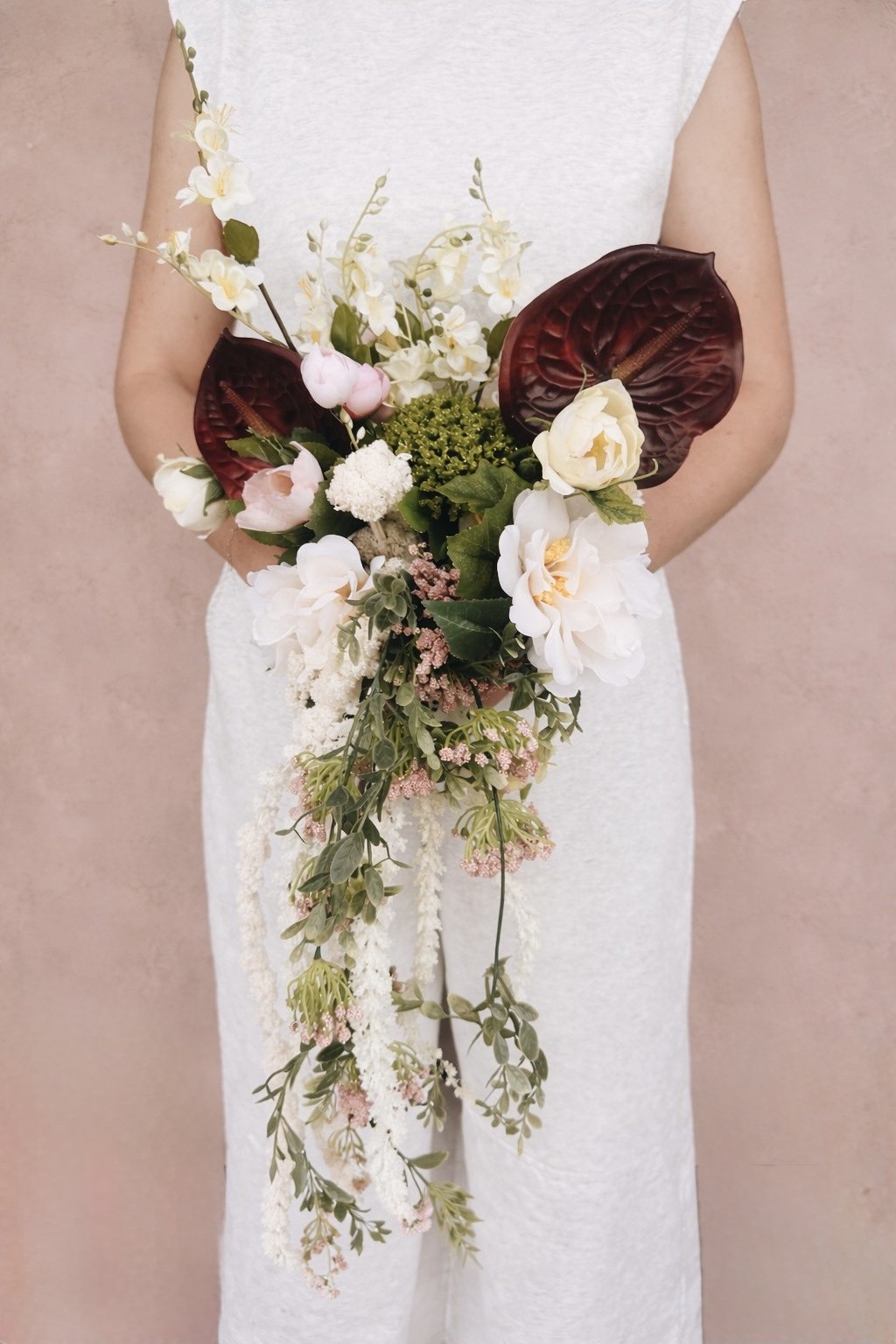
Choosing your wedding flowers is one of the most exciting parts of planning—but not all flowers are created equal when it comes to longevity, durability, and overall performance.
If you’ve ever saved a dreamy bouquet online, there’s a good chance it looked perfect for a short window of time… and then didn’t hold up through a full event.
This guide will help you choose flowers that not only look beautiful—but actually last all day.
Best Flowers for Weddings (That Last All Day)
These are the most reliable, long-lasting wedding flowers. They hold up well through bouquets, installations, and long event timelines.
Roses
A classic for a reason. Roses are durable, widely available, and perform well in a variety of conditions.
Spray Roses
Smaller blooms with the same resilience—perfect for adding texture and fullness.
Carnations
One of the longest-lasting cut flowers. Extremely hardy and budget-friendly.
Chrysanthemums (Mums)
Great structure and exceptional vase life. Ideal for centerpieces and large installations.
Lisianthus
Soft and romantic, but surprisingly sturdy.
Alstroemeria
Excellent longevity and a great filler flower that still feels elevated.
Ranunculus (in season)
A favorite for spring weddings—holds well when kept cool and hydrated.
Eucalyptus
A staple greenery that is forgiving, long-lasting, and versatile.
---
Beautiful Wedding Flowers That Need Extra Care
These flowers can be stunning, but they require more attention, ideal conditions, or come with seasonal limitations.
Peonies
Highly sought after but only available for a short season. They can open too quickly or stay tightly closed.
Dahlias
Gorgeous for late summer and fall, but more delicate and sensitive to heat.
Tulips
Continue to grow and move after arranging, which works best in loose, organic designs.
Garden Roses
Beautiful but more fragile than standard roses and often more expensive.
Delphinium / Larkspur
Adds height and color, but can be sensitive to handling and temperature.
Snapdragons
Can droop without consistent hydration.
Stock
Lovely fragrance, but can be thirsty and slightly temperamental.
Wedding Flowers to Avoid (or Use Carefully)
These flowers are more likely to wilt quickly, cause allergies, or create logistical challenges.
Hydrangea (without proper prep)
Prone to wilting unless properly conditioned and kept hydrated.
Hellebores (untreated)
Can wilt quickly unless stems are properly processed.
Poppies
Very short vase life—generally not suitable for weddings.
Sweet Peas
Delicate and short-lived. Best for small accents rather than full arrangements.
Daffodils
Release sap that can harm other flowers in arrangements.
Lilies
Strong fragrance and pollen that can stain clothing.
Baby’s Breath (in large quantities)
Can have a strong scent that some guests find unpleasant.
Foxglove and similar varieties
Potentially toxic if ingested—something to consider for guest safety.
Wildflower Weddings in Colorado: What to Know
“Wildflower wedding” is one of the most common requests—and one of the most misunderstood.
When most people ask for wildflowers, they’re usually envisioning:
- Loose, airy, natural designs
- A mix of colors and textures
- An organic, just-picked look
However, true wildflowers often:
- Have very short vase lives
- Don’t ship or store well
- Wilt quickly after being cut
- May not be available in bulk or legally harvestable
Because of this, most wildflower-style wedding designs are created using:
- Garden-style blooms
- Seasonal flowers with a similar look
- Hardy filler flowers and herbs
This approach gives you the aesthetic of wildflowers—while ensuring your flowers last throughout your wedding day.
FAQ: Wedding Flowers
What flowers last the longest in a wedding bouquet?
Roses, carnations, chrysanthemums, and alstroemeria are among the longest-lasting options.
What wedding flowers wilt the fastest?
Poppies, sweet peas, and improperly treated hydrangea tend to wilt quickly.
Can you use wildflowers for a wedding?
You can, but most florists use cultivated flowers that mimic wildflowers for better longevity and reliability.
What flowers are best for outdoor weddings in heat?
Hardy flowers like roses, carnations, and mums tend to perform best in warm conditions.
Final Thoughts
The best wedding flowers aren’t just beautiful—they’re dependable.
Choosing flowers that align with your season, environment, and timeline ensures your arrangements look just as good at the end of the night as they do at the beginning.
If you're planning a wedding in Colorado, working with seasonal, locally grown flowers can make a significant difference in both quality and longevity.